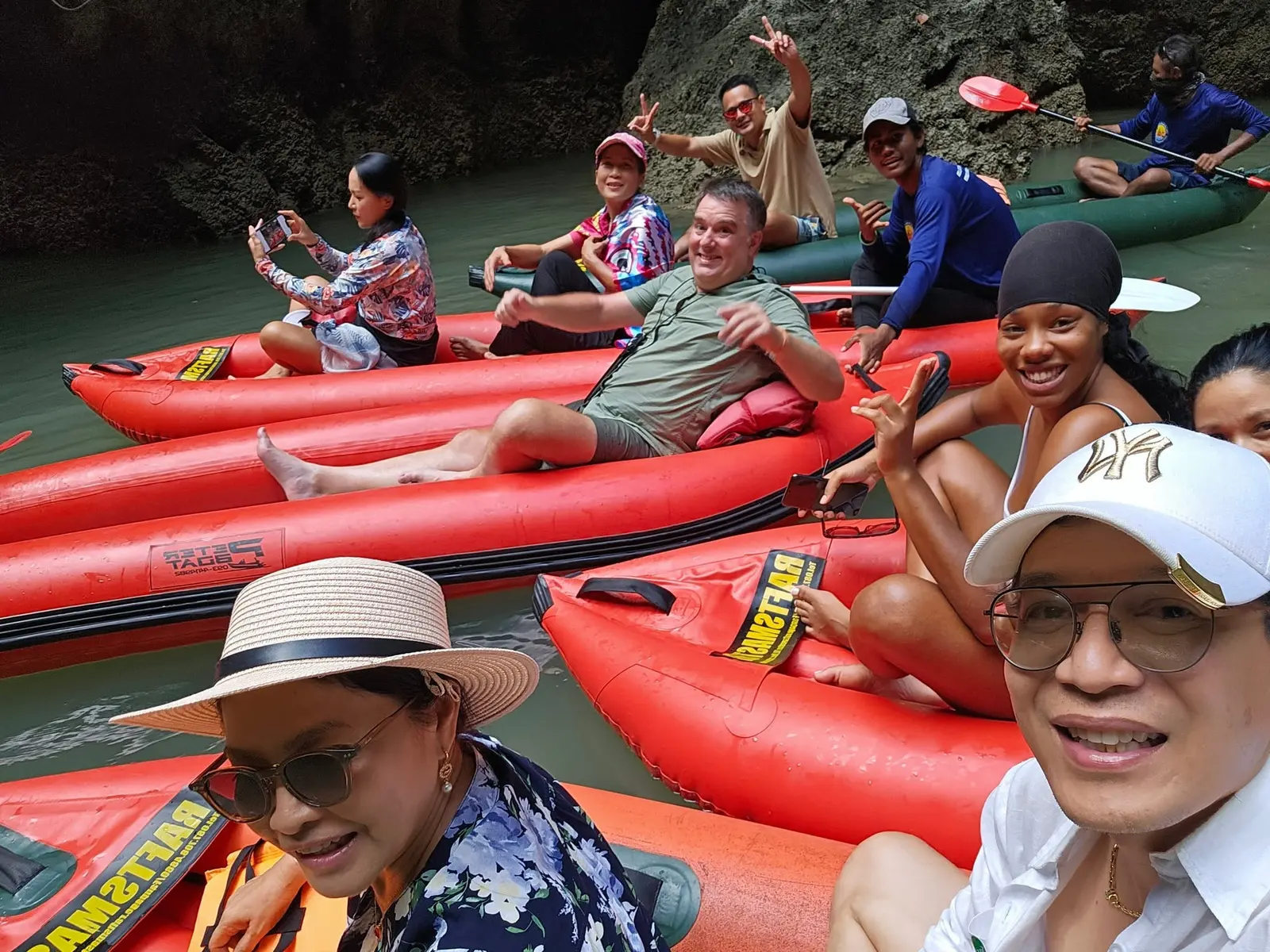
When is the best time to visit Phang Nga Bay?
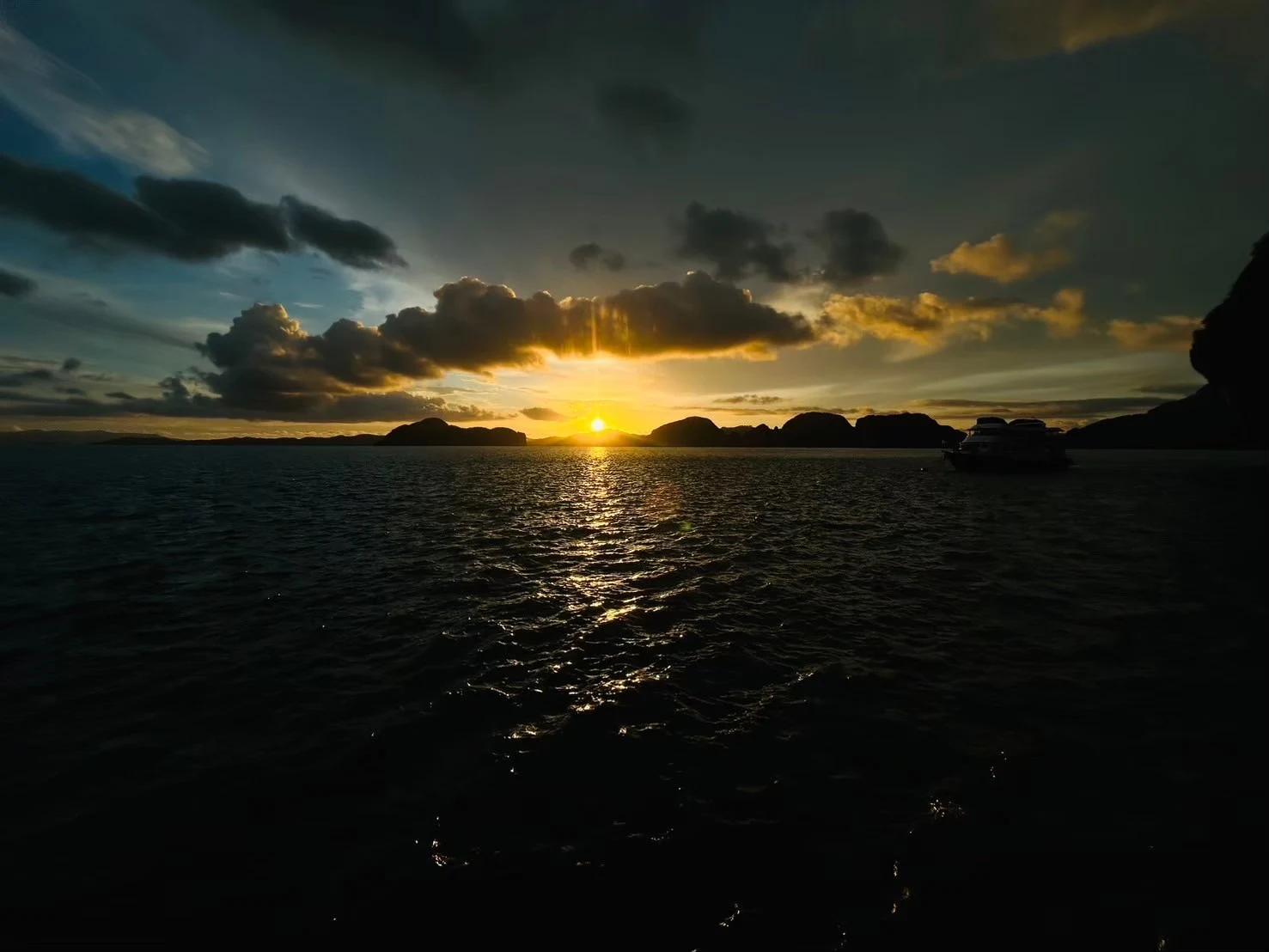
For weather-led planning, November to March is a sensible starting window for a Phang Nga Bay visit, followed by a forecast check close to your trip. These months sit outside the Andaman coast’s main wetter period, but sunshine and calm water are not guaranteed. If your holiday falls in the wetter season, keep your plans flexible and follow the crew’s assessment.
Join us on the bay — choose your dateIn this article
Understand the monsoon before choosing a month
Thailand’s southwest monsoon generally runs from around mid-May to mid-October and brings moist air from the Indian Ocean. The Thai government’s explanation of monsoon patterns, sourced to the Meteorological Department, notes that the timing varies between years. Treat those boundaries as a broad planning guide rather than dates when the weather switches.
Phang Nga Bay lies on Thailand’s Andaman side, northeast of Phuket. The Tourism Authority of Thailand’s weather guide places the west coast’s wetter period broadly between April and October. That makes November to March a useful initial planning window, rather than a promise about an individual day. Forecasts and seasonal advice for the Gulf coast may describe different conditions, so check that your information refers to Phuket or Phang Nga.
Choose between advance planning and flexibility
Travelling outside the main southwest monsoon can be a sensible starting point if you have freedom to choose your holiday period. You should still allow for showers and changing sea conditions. No month guarantees a clear sunset, a glassy crossing or access to every cave.
If you travel during the wetter part of the year, leave some room in your schedule. Booking a bay trip earlier in a multi-day Phuket stay may give you more options if the operator needs to change arrangements, although availability and the booking terms still apply. Avoid presenting a wet-season booking as a guaranteed bargain: current fares and capacity need their own check.
| Planning situation | Useful approach |
|---|---|
| Flexible holiday timing | Compare periods outside the main southwest monsoon, then check local conditions |
| Fixed dates in the wetter season | Keep nearby days flexible where possible and read the weather-change terms |
| A particular cave is your priority | Ask about access; tide and clearance matter as well as season |
| Sunset or an evening paddle matters most | Choose an evening programme and accept that natural conditions vary |
Separate rain from the sea-state decision
A shower and unsafe boating conditions are not the same thing. Wind, waves, thunderstorms and the route all affect the crew’s decision. Light rain may change what you wear without ending the tour; other conditions may require a route change or cancellation. Follow the operator’s instructions rather than trying to judge the whole bay from your hotel balcony.
Use the Thai Meteorological Department’s forecasts and warnings close to departure. A phone app’s daily rain percentage is a prompt to check further, not a precise timetable for your canoe outing. Read Twilight Sea Canoe’s refund and cancellation policy before booking so you understand the difference between an operator-led change and your own decision not to travel.
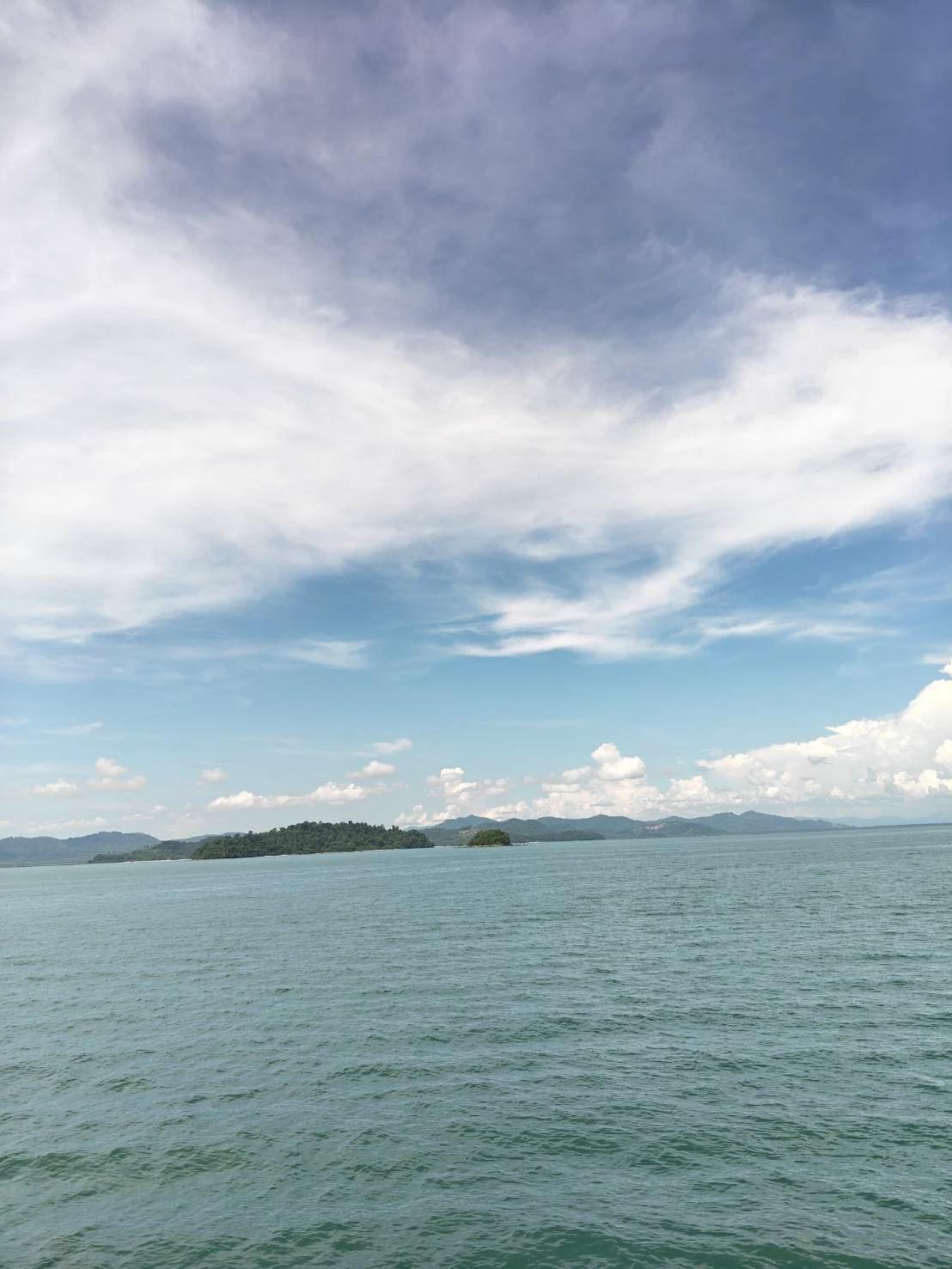
Remember that cave access follows the water level
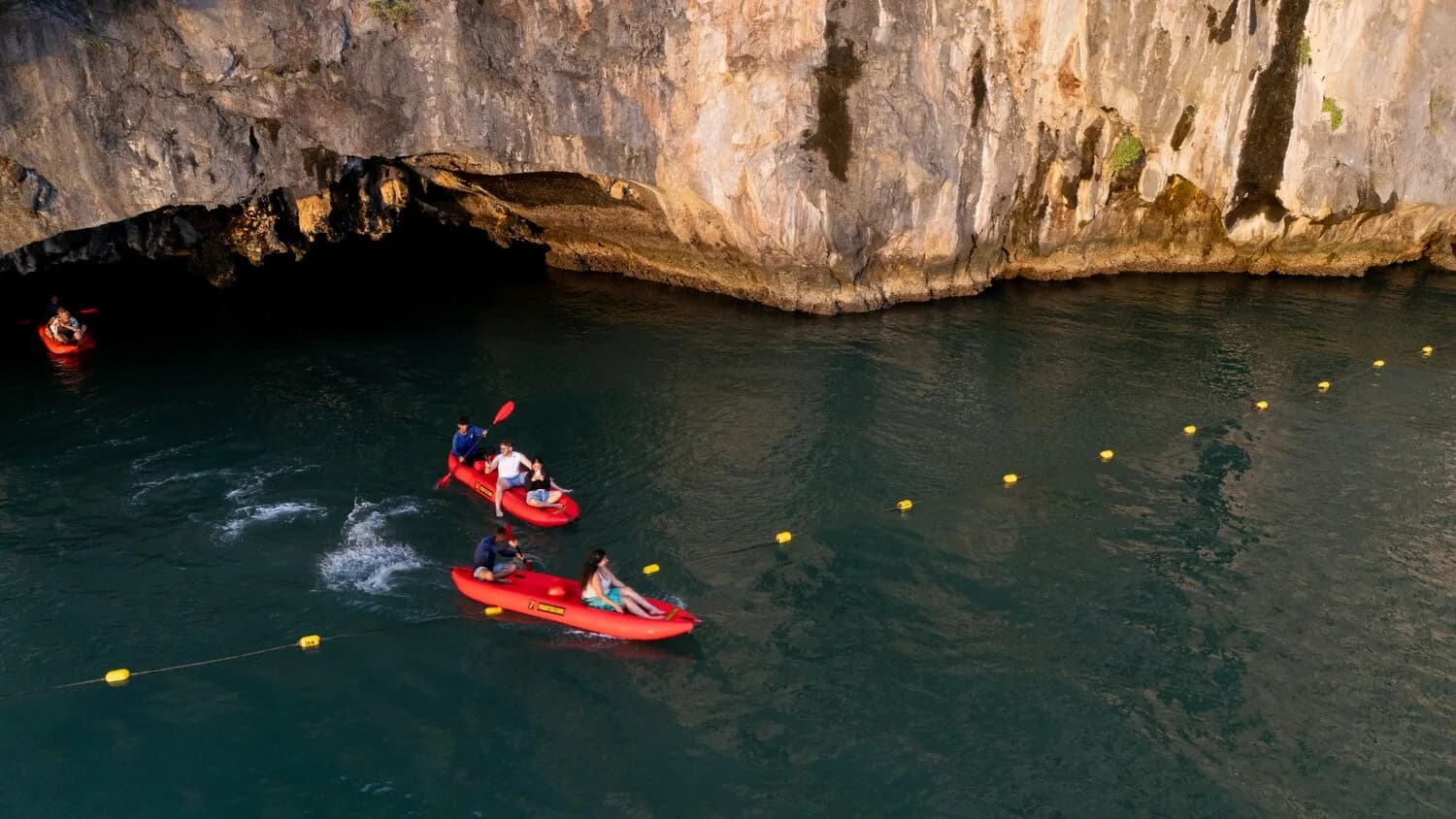
Season is only one part of timing. At a cave entrance, the crew also needs enough water beneath the canoe and enough clearance above it. The useful window depends on the passage and conditions. More water does not automatically make entry easier if it reduces the space below the roof.
That is why a shared itinerary may change its sequence. Your paddler assesses the route and gives instructions about sitting position or lowering your head where appropriate. Read the Panak Island cave guide before choosing a trip around a single entrance photograph. Do not use an online tide table as permission to enter a cave independently.
Choose daylight or evening for the experience you want
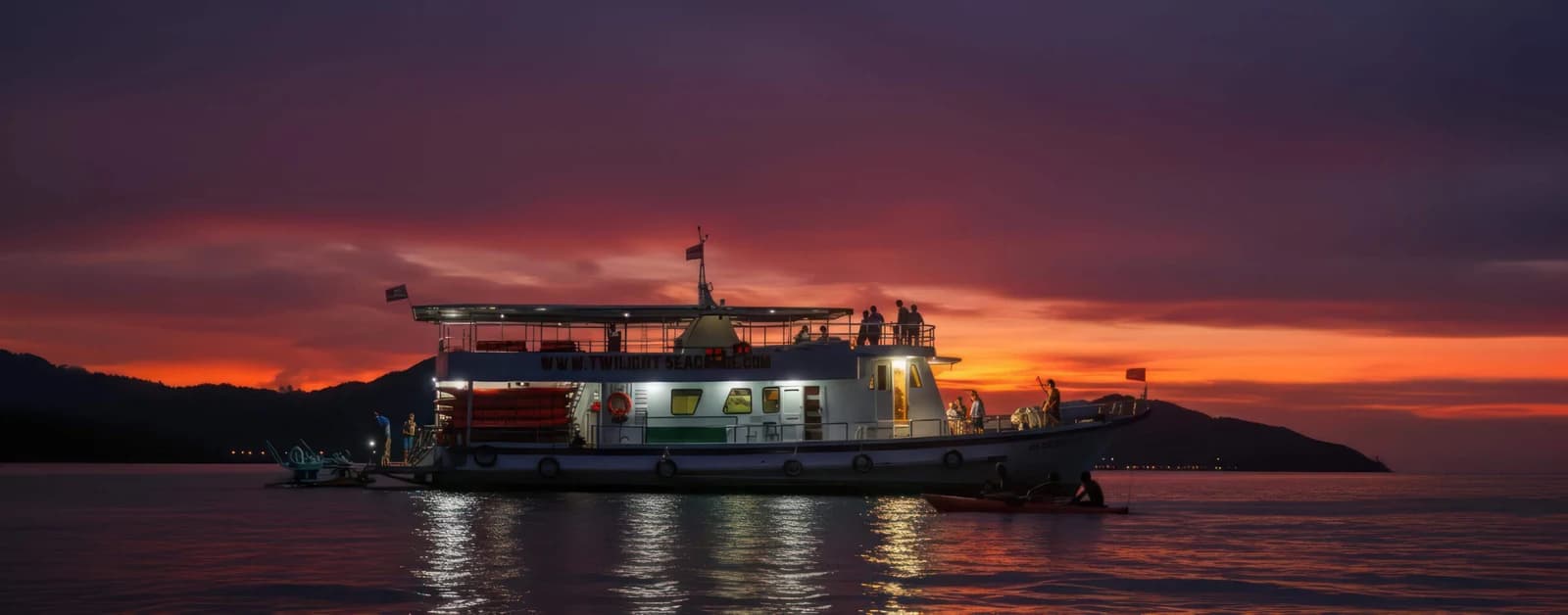
Daylight helps you see the colour and texture of the limestone, vegetation and water. An evening programme lets you watch the light change and spend part of the trip after dark. Those are different experiences, so compare the itinerary before looking for a universal best departure time.
Twilight Sea Canoe’s Evening Glow trip includes an evening programme alongside daytime stops. Natural bioluminescence varies; a particular month, moon phase or departure cannot guarantee a display. Our bioluminescent plankton guide explains the expectations to bring. Choose the trip because you want the overall day, including the canoeing and scenery, rather than relying on one natural event.
Plan for the conditions you will actually encounter
Keep a light rain layer accessible and protect your phone before leaving the main boat. Dry clothing for the journey home is useful when you have been splashed or caught in a shower. In bright weather, think about shade, clothing and sun protection rather than taking a clear sky as a reason to carry less.
The Phuket canoe packing guide separates what to wear from what to keep dry. Pack a small bag you can manage through transfers. For international visitors, save the team’s contact details and your hotel name somewhere available without mobile data. You will need those practical details more often than an elaborate month-by-month weather prediction.
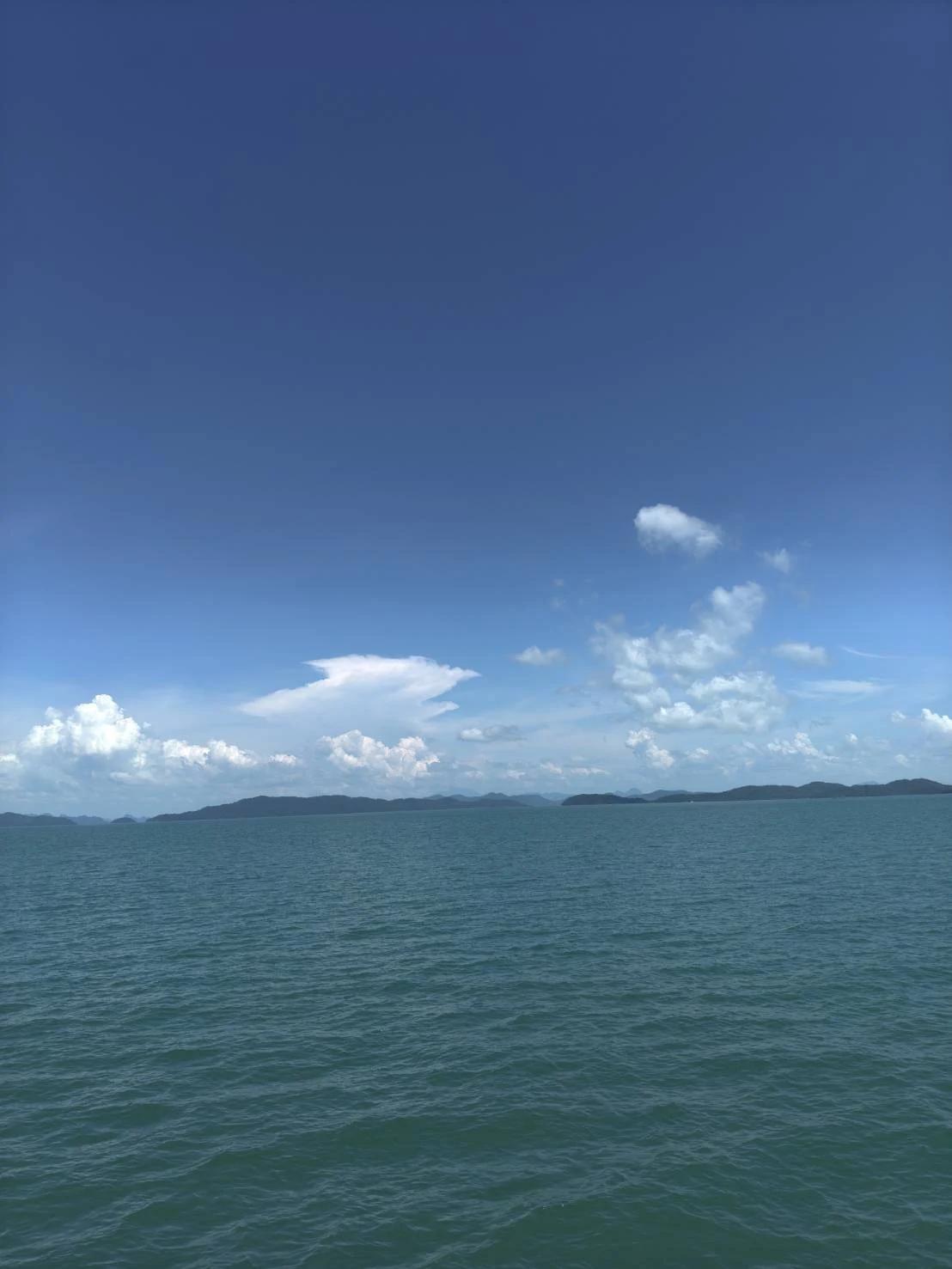
Make your final check close to departure
Confirm your pickup instructions, keep an eye on official warnings and check for messages from the booking team. Leave the expected return evening free, particularly if your hotel is farther from the departure pier. Do not put an airport connection directly after a long boat programme.
When you contact Twilight Sea Canoe, tell the team your Phuket dates and your main priority, such as canoeing, the island stop or the evening experience. They can explain the planned programme and current arrangements. They cannot reserve sunshine, but they can help you decide whether the trip fits the time you have and the conditions you are willing to accept.
Questions before you go
Can I visit Phang Nga Bay in the rainy season?
A trip may operate when conditions are suitable. The crew may alter the route or cancel when necessary. Check official forecasts, the operator’s instructions and the booking terms rather than assuming all rainy-season days are alike.
Does a sunny forecast guarantee cave access?
No. Water level, overhead clearance and local conditions also affect access. The paddler decides whether a passage is suitable on the day.
Which month guarantees bioluminescent plankton?
No month guarantees a visible display. Book an evening itinerary for its full programme and treat the natural light as a variable part of the experience.